Get Business Photo Consent Right With 5 Steps and Sample Wording
Get Business Photo Consent Right With 5 Steps and Sample Wording

If you plan to publish or use photos of identifiable people for marketing, social media, or any public-facing purpose, get explicit, recorded consent before you post. Personal or household use is usually exempt from this rule, but commercial, promotional, or public use almost always requires a clear, documented yes from the person in the frame.
TL;DR:
- Private family sharing is usually exempt, but identifiable people featured in marketing, business websites, newsletters, or public posts generally need a lawful basis, often consent.
- Valid consent must be freely given, specific, informed, and unambiguous; record the purpose, channels, and withdrawal method, then link the record to the image.
- For children, guardian consent is generally required, while digital consent thresholds vary by jurisdiction, often from ages 13 to 16; seek older minors’ assent too.
- For small posed groups, get each person’s consent; at large events, clear notices and a genuine opt out process help attendees decline.
- After withdrawal, remove photos from channels you control, document the request and response, and explain that printed copies, caches, or third party reposts may remain.
Table of Contents
- When do you need consent to use someone’s photo?
- How to obtain valid consent: step-by-step and recordkeeping
- Consent for children and vulnerable people
- Legal and data-protection essentials
- Copy-ready sample consent statements and a short template
- Recordkeeping, withdrawal, and takedown practicalities
- Handling consent when photos include multiple identifiable individuals
- Managing consent for photos taken and used in user-generated content campaigns
- Implications of consent withdrawal on already published photos and how to handle them
- Practitioner perspective: balancing practicality and compliance
- An alternative workflow: QR-first collection and rewards for user photos
- FAQ
- Sources
When do you need consent to use someone’s photo?
The line that matters most is between private and public use. Snapping a photo at a family dinner and sharing it with relatives typically falls under a personal-use exemption. The moment that same photo goes on a business’s website, a paid ad, or a public social feed, you have stepped into territory that usually requires a lawful basis for processing, and consent is the most common one. Under many global data protection frameworks, including the UK GDPR, a photo of an identifiable person counts as personal data, and commercial or public-facing use generally requires a valid lawful basis.
“Identifiable” does not require a clear face shot. A name tag, a distinctive tattoo, a uniform with a visible badge number, or even a recognizable setting paired with other details can make someone identifiable. Incidental background crowds, where no single person is the focus, generally carry lower risk than a posed or featured shot.
Common situations that call for consent:
- Marketing materials, brochures, or paid advertising featuring recognizable people.
- Business websites, email newsletters, or public social media posts.
- Event recap content shared outside a closed group.
Typical exceptions include journalism covering matters of public interest, security footage used for its original purpose, and some cases where a business can document a legitimate interest instead of consent, though this route carries more legal risk for marketing use.
How to obtain valid consent: step-by-step and recordkeeping
Getting consent right is a sequence, not a single checkbox. Follow these steps in order:
- Decide your purpose first. Know exactly where the photo will appear (website, Instagram, print ad) before you ask anyone to agree to anything.
- Tell the subject plainly. State who you are, what you plan to do with the image, and for how long you intend to use it.
- Get an affirmative, unambiguous action. A signature, a checked box, or a clearly recorded verbal yes all work; silence or inaction never does.
- Record the agreement immediately. Log the date, the method, and the exact wording the person agreed to.
- Link the record to the image. Use a shared reference so the consent and the photo never get separated.
Acceptable formats include a signed paper release, a recorded verbal agreement logged in a spreadsheet or system, or a digital form with an explicit, unchecked-by-default checkbox. Passive methods, like a sign that says “by entering this venue you consent to photography” with no opt-out, are weak evidence of genuine agreement. The EDPB’s guidance on valid consent makes clear that consent must be freely given, specific, informed, and unambiguous, and that passive interactions such as scrolling past a notice cannot count as consent on their own.
A solid consent form or script should capture:
- The identity of the business or person collecting the photo (the controller).
- The specific purpose and the channels where the image will appear.
- How long the image will be kept and how to request its removal.
- A timestamp tied to the signature or checkbox.
For events, put up signage near the entrance, set up a clearly marked consent station, designate an opt-out area for people who prefer not to be photographed, and brief photographers on how to handle refusals. Keep consent records in a searchable log, ideally tagged with a unique consent ID that ties back to each image file.
Pro Tip: Build your consent ID into the photo’s filename or metadata from the start. It saves hours later when someone asks you to prove permission or pull an image down.
Consent for children and vulnerable people
Photographing minors raises the bar. Most frameworks require parental or guardian consent for children, with age thresholds that vary by jurisdiction, often somewhere between 13 and 16 for a child’s own digital consent, and younger children needing a parent’s sign-off regardless. Schools and youth organizations commonly fold this into registration paperwork rather than asking separately for every event.
Practical approaches that work well:
- Collect photo consent as part of annual registration or enrollment packs, not as an afterthought.
- Send a yearly reminder so families can update or withdraw their choice.
- Treat any disagreement between parents, or any unclear response, as a no.
- For older minors, ask for the child’s own assent alongside the guardian’s consent, and document both separately.
Legal and data-protection essentials
Consent that holds up under scrutiny needs to pass four tests: it must be freely given, specific, informed, and unambiguous. That standard comes directly from GDPR-style frameworks and is the benchmark most data protection authorities apply when a dispute arises.
- Freely given means no penalty for refusing.
- Specific means the person knows exactly what use they are agreeing to, not a blanket “we may use your image.”
- Informed means you have told them who you are and what happens with the image.
- Unambiguous means a clear, affirmative action, not a pre-checked box or silence.
Some organizations try to rely on “legitimate interest” instead of consent for certain uses, but this basis is harder to defend for marketing or publication, since it requires a documented balancing test against the individual’s privacy rights. Most businesses find it simpler and safer to collect and document consent rather than argue a legitimate-interest case after the fact.
Organizations should always disclose the controller’s identity, the purpose of the photo, how long it will be retained, and how someone can withdraw consent. The EDPB’s guidelines on valid consent stress that withdrawal must be as easy as giving consent in the first place, with no negative consequences for the person who says no.
Copy-ready sample consent statements and a short template
Here are short, adaptable templates. Replace the bracketed placeholders with your actual details before use.
Social post release: “I agree that [Business Name] may post my photo on [specific platforms] for [purpose, e.g., event promotion]. I understand this consent can be withdrawn by contacting [email/phone], and the image will be kept for [retention period].”
Website use release: “I give [Business Name], contactable at [contact details], permission to use my photo on its website for [purpose]. I may withdraw this consent at any time by writing to [contact].”
Event group release (signage): “Photos may be taken at this event for [purpose] by [Business Name]. If you prefer not to appear, please visit the opt-out table near [location] or tell our staff.”
- Use a checkbox for digital forms, a signature line for paper releases, and a QR-linked form for fast event capture.
- Always tie the signed statement to a consent ID stored with the corresponding image file.
Pro Tip: Keep templates concise. Long legal paragraphs discourage people from reading them, which weakens your evidence that consent was genuinely informed.
Recordkeeping, withdrawal, and takedown practicalities
A consent record is only useful if you can find it fast when someone asks you to remove their photo.
- Tag every image at capture. Use a consistent filename or metadata field containing a unique consent ID.
- Store the consent log centrally. Keep it searchable by name, date, or consent ID, separate from the image library itself.
- Act on withdrawal requests promptly. Remove the image from your own channels first, then request removal from any platform or partner you shared it with.
- Flag archived copies. Note that reprints, cached versions, or third-party shares may be outside your direct control, and tell the requester honestly what you can and cannot remove.
Handling consent when photos include multiple identifiable individuals
Group photos complicate consent because each identifiable person technically needs their own valid agreement for the use you intend. In practice, most organizations handle this with a layered approach rather than chasing individual sign-off from every person in a crowd shot.
For small, deliberate group photos, such as a team photo or a workshop group, collect consent from each named individual before publication. For larger gatherings, like a conference audience or a store’s foot traffic, signage and an opt-out process at the point of entry generally serve as the practical substitute for individual consent, provided the notice is clear and genuinely offers a way to decline.
A useful rule: the more a person is singled out or featured, the stronger the consent you need from them specifically. A person centered in a close-up shot used in an ad needs individual, documented consent. A person visible in the back row of a wide event photo used for a recap post carries lower risk, especially where attendees had clear notice and an opt-out option.
Where one person in a group withdraws consent and others have agreed, consider cropping, blurring, or otherwise editing the image rather than pulling it entirely, when that is technically feasible and does not misrepresent the scene. Document the decision either way, so you can explain your reasoning if someone asks later.

Managing consent for photos taken and used in user-generated content campaigns
User-generated content campaigns, where customers upload or tag their own photos, shift some of the consent burden to the platform mechanics rather than a one-on-one conversation. The key is making sure the act of uploading or tagging is itself a clear, informed, affirmative action, not something buried in fine print nobody reads.
A workable approach states, at the point of upload, exactly what will happen to the photo: where it might be reposted, for how long, and how to ask for removal later. A simple checkbox or confirmation step at upload, paired with plain language about reposting on the business’s own social accounts, generally satisfies the specific and unambiguous tests that consent frameworks require.
Complications arise when a submitted photo includes other people besides the uploader. The person uploading can only meaningfully consent for themselves, not for friends or strangers who also appear in the shot. Campaign terms should ask uploaders to confirm they have permission from anyone else visible, and businesses should still apply judgment before reposting a photo that clearly features identifiable third parties who have not agreed to anything.
Keeping a consent record for each UGC submission, tied to the uploader’s account or submission ID, makes it far easier to honor a later takedown request without having to track down who posted what and when.

Implications of consent withdrawal on already published photos and how to handle them
Withdrawal does not erase the fact that a photo was lawfully published while consent was in place, but it does create an obligation to act going forward. The moment someone withdraws consent, your first step is removing the image from every channel directly under your control: your website, your social accounts, your email archives, and any marketing materials still in active use.
Reality sets limits on what full removal can achieve. Printed materials already distributed, third-party reposts, search engine caches, and archived versions of your own site may be outside your direct reach. Being upfront with the person about these limits, rather than promising complete erasure you cannot guarantee, protects both their trust and your credibility.
Document the withdrawal request itself: the date, the method of request, and every step you took in response. This record matters if a dispute arises later about whether you acted promptly and in good faith. Going forward, treat the person’s record as a standing no for any future use, not just the specific photo they flagged, unless they tell you otherwise.
Practitioner perspective: balancing practicality and compliance
Written consent feels like extra friction in the moment, but it is the cheapest insurance against a dispute later. The organizations that handle this well treat it as a checklist, not a judgment call: signage at the entrance, a staffed consent station, and a photographer who knows to ask before, not after, the shutter clicks.
— Arturo
An alternative workflow: QR-first collection and rewards for user photos
Collecting consent and photos by hand works for small events, but it gets harder to manage once you are running campaigns across a storefront, a gym floor, or a busy counter every day. We built a platform so local businesses can capture customer photo uploads, tagging, and engagement steps through a single QR scan, with no app download required on either side.
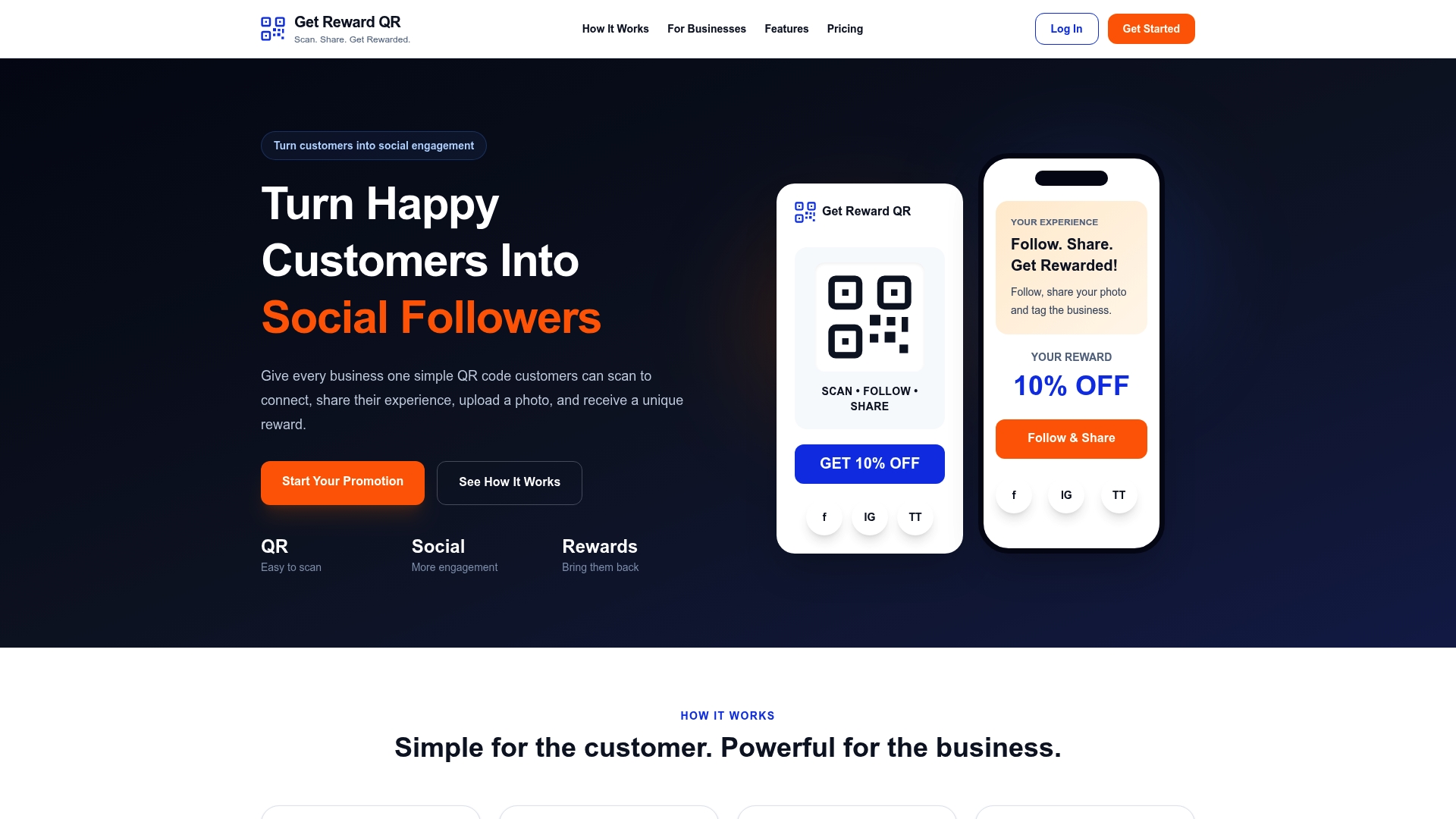
A customer scans the code, follows a few social steps you define, and uploads or tags a photo as part of the flow, all while you retain control over the campaign branding and the specific platforms involved. It pairs naturally with the consent habits covered above: a clear sign near the code, a short statement of purpose, and a reward on completion. Explore how the QR-first reward flow works, and check current plans and pricing if you want to put this to work in your own space.
This article is general information, not a substitute for advice from a qualified lawyer. Consult a qualified legal professional about your own circumstances before acting on anything here.
FAQ
Does a person need to give consent to use their photos?
Generally, yes, once the use moves beyond personal or household purposes into marketing, publication, or public posting. UK data protection guidance treats photos of identifiable individuals as personal data, which means a lawful basis, often consent, is required for commercial or public use.
Is it illegal to have a photo of someone without their consent?
Simply taking or holding a photo is not automatically illegal; the legal questions usually center on how the photo is used, not on possession alone. Publishing, selling, or using someone’s identifiable image for marketing without a lawful basis is where legal risk typically arises, and the applicable rules depend on your country’s data protection and privacy laws.
Can you provide an example of a photo consent statement?
A short website-use example reads: “I give [Business Name] permission to use my photo on its website for [purpose], and I understand I can withdraw this consent at any time by contacting [email].” Templates like this should always name the purpose, the channels, and how to withdraw.
How do I give permission for photos?
Permission is typically given through a signed release form, a digital form with an explicit checkbox, or a clearly logged verbal agreement at an event. The ICO’s guidance on school photos illustrates the broader principle: private sharing with family often needs no formal process, while public or promotional use calls for a documented yes and a way to opt out.
Sources
For jurisdiction-specific detail, consult your local data protection authority before publishing sensitive or high-risk images, since rules on consent and retention vary by country. The sources below offer official guidance and sample templates to start from, though a qualified legal advisor is the right call for complex cases. For a broader look at cross-border obligations, see this practical guide to data protection laws for multinational organizations.